Wednesday, April 29, 2009

2009 Jungpana SFTGFOP1 1st Flush Darjeeling


Lochan teas offer quite the writeup on Jungpana, rightly so.

Sniffing this dry leaf from the just opened packet one comes across very sweet smooth high notes that are slightly fruity and flowery. These notes are powerful. There is no greenish or muscatel smell in these very multi-coloured 'anything goes' mix of leaves.

These leaves go in, the hot water follows, out comes the tea.

First infusion results in an exceptionally mellow flowery taste. Back notes suggest a stronger fruitiness in infusions to come. There is something more 'black tea', more oxidized, more 2nd flush, more classic Darjeeling about this one that makes it quite enjoyable.

The next infusions create a yellow liquor that is dark and rich with a sweet honey-grape with flowers taste. It seems to lack an overpowering muscatel or deep forest taste which makes room for these higher notes. The mouthfeel is drying but not overbearing. This tea is mellow, flavourful, and very spring-like.

Because this tea has no deep bottom, unfortunately, it drops off fast. Grainy, dry honey sweetness is pretty much all that is left after just a handful of infusions. While, it was good while it lasted.

Peace

Tuesday, April 28, 2009

2009 Thurbo Estate Imperial Delight 1st Flush Darjeeling


One has tried this tea many years back and enjoyed it so.

This estate in the center of Mirik pumps out a lot of good tea and has a larger garden then most to pick from. That could be a reason why tea from Thurbo Estate seems more readily available to tea drinkers.

Lets heat up some water and give it a try...

The leaves smell of dry bittersweet depth with an overarching 'green' character. There is a pungent spiciness that almost burns in the nose. They are a nice mix of whitish hairy tips that compliment greener small leaves.

These leaves are filed into the pot, the hot water is added, sip.... sip...

In the first few infusions sweetness explodes into a grainy, pungent wine-like grape flavours. Spiciness and faint flowers seem to compliment the bouquet of this fine wine... uhmm... tea. This flavour is quite individual, unique for a Darjeeling. The mouth is alerted to a full coating. An energy that is powerful and bright coasts through the body. In an instant you know that this tea is good.

The next infusions bring a grainy, almost melon-grape flavour. It's this fermented taste that lingers under all of this that makes this tea. The staunch mouthfeel doesn't hurt either.

It doesn't take long before this tea really smooths out becoming gentle as it wears on. Conversely, its built up cha qi is likely to push one into distraction rather than concentration. Near the end the distraction is welcomed as no flavor is left to cherish.

Peace

Monday, April 27, 2009

2009 Castleton Estate FTGFOP 1CH (SPL) 1st Flush Darjeeling


When one thinks of Castleton one recalls a conversation between Mr. Rowatt, the manager of Goomtee and Mr. Lochan, the founder of Lochan teas. They were snickering about a customer that either did or was going to mix both Goomtee Estate tea and Castleton Estate tea and try to sell it as Goomtee-Castleton tea. That was rather an interesting idea, mixing some teas together to achieve a more complete or interesting taste. Hummm....

Aways, lets try this Castleton Estate exclusive tea produced at altitudes between 980-2300 meters.

The dry leaves are a vibrant, light, foresty colour and are finely scented with very little muscatel, a touch of grape. These leaves seem lighter green than others and the product has a very full leaf look and feel.

The first infusion is prepared and results in a soft dry grape. A green high forest grape. Immediately the mouth is coated. This in itself is as alluring as its taste.

The second infusion explores this dryness and results in a mouth puckering liquid that, in all honesty is a bit over the top. This tea develops a gritty bitterness, with nice dry, high up in the forested Himalaya, grape taste.

In the third infusion everything just comes together. It was one of those tea moments when everything just works. The shallow but alerting cha qi kicks in. Its mouthfeel now becomes full but manageable. The taste is a mix of deep forest and grape. It creates a wild-in-the-jungle grapelike taste. These tastes are light and mingle about with sincerity in the mouth.

Other infusions result in similarly respectable pots of tea. The taste becomes grittier and more wild. This tea does a good job of staying tasty and full but, as expected, becomes a bit more diluted as the session progresses. It finishes nicely quite possibly due to such a good leaf which is evident in the photos.

A good session it was with this tea from Castleton Estate.

Peace

Sunday, April 26, 2009

2009 Goomtee Estate FTGFOP 1 Clonal, 1st Flush Darjeeling


One visited the Goomtee Estate and was blown away by its majestic beauty at heights of around 6000 feet above sea level in South Kurseong. A beautiful place to raise tea.

Today one samples Goomtee again. The dry leaves are a diverse mix of light colors and darks with some hair and others not. The smell is of strong fruity grape with high bitter notes and soft muscatel background.


After this tea is carefully prepared, the first infusion flaunts flowery top notes with sweet juicy grape. The flowery aroma dominates the mouth and the mind. A full mouthfeel is immediately felt from the first sip onward. This tea is nicely coating with slight muscatel dryness lingering around.

In the next few infusions an engulfing dryness allows for more flowery notes in strong grape. Sometimes the grape is more prominent then the flower. There is much the same grape taste as the white tea from this estate. In fact after looking at the notes from this sample one really questions whither it isn't the same sample.

The faint Muscatel tones fade in later infusions leaving light cheery spring flavors. This tea is very 'spring', very contemporary Darjeeling, very hip.


In the end this tea left one with faint grape on the roof of the mouth before disappearing hastily into mouthfeel. Actually, near the end it was mainly just mouthfeel and a lingering energy that make one feel warm and very much alive.

Peace

Friday, April 24, 2009

2009 Giddapahar Estate FTGFOP 1 CH (SPL) 1st Flush Darjeeling


This tea from Giddapahar Estate is picked at an elevation as high as 4864 feet in the scenic hills of South Kuseong. One had a beautiful visit of this estate back a few months ago while they were producing their first tea of 2009, most likely the very tea one will sample today...

The foil pack reveals a scent of green sweet foresty muscatel. There is a wonderful deep stinkweed-like flowery smell- a good kind of stinkweed (if one could image that).

Prepared, this tea first comes on quite nicely with a nice full deep muscatel that rides on the coattails of pure, very sweet not-to-grape high notes. This initial very sweet taste permeates the saliva while riding about in the mouth. The vibrant yellow of the liquor is like the sun on a spring day without clouds. A wonderful sight indeed. Wonderful sights are matched with wonderful feelings in the mouth, soft and fuzzy.

The following infusions confirm that this tea is deep and foresty, sweet but not so much flowery if only a bit in the nose, and results in a nice dry muscatel coating in the mouth.

Later as black teas loose their grips under the exhaustive exercise of gong fu, this one holds its own as the taste transforms. The sweetness here becomes creamier and more well rounded as opposed to watery and weak. The sweetness comes first, then mild muscatel, followed by a hardly flowery finish that is airy. The muscatel notes seem to be the first to really drop off. Lacking these stronghouses, room is made for more subtle berry then fruity grape undertones. There is something to be said about this teas enduring smooth, sleek Darjeeling sweetness.

Under a stern alertness that only black tea can bring about, one exhausts this enjoyable tea.

Peace

Thursday, April 23, 2009

2009 First Flush Darjeeling Marathon

With a collection of samples from Rajiv at Lochan Teas of the very first Darjeeling pickings of 2009(many of which are special premium picks), one thought to share some detailed tasting notes on these teas with you the reader. Expect a post a day for about a week on these teas.

One decided to brew them 'Korean Style' using a large yixing pot in the tradition of gong fu style, not at all the tradition way these black teas are consumed. The infusion times started at 30 seconds and increased progressively. Just off boiling water was always used. One found that this method allowed one to see how these teas unfolded and also tested the limits at which these teas still remained flavorful. This method seemed to really put the bitter, flowery, and fruity elements on the spot. The use of gong fu with a large yixing pot was part habit; one has never preferred the less intimate grandpa cupping style of tea drinking, part convince; the pot that one wanted to use for this tea is still packed up, and part practicality; one needed a large pot because often family and friends were around.

Hopefully you will get something from these notes. Perhaps they will give you a better idea of what first flush teas you may be wishing to purchase. Or perhaps they will give you better insight into the individual character of each of these famously old estates. Enjoy them for what they are. Please feel free to add your comments if you've tried any.

Peace

Tuesday, April 21, 2009

Sam Do Tea Bowl Style- A Look At The Ju Sam Do Subtype


This style of tea drinking bowl can be traced back to June 6th, 1565 where it is described in written records by the Japanese. The name ‘Sam Do’ or ‘Three Islands’ refers to the three islands in the south of Korea where the Japanese first stumbled across this style. It most likely erroneously alludes to two islands and part of the peninsula which was mistaken as being completely surrounded by water.

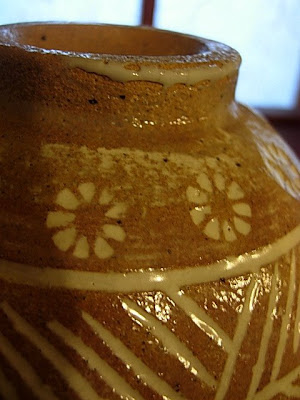
These bowls are marked with white. Most, but not all, have short slashes of white just inside and/or outside the lip of the bowl. These dashes give the bowls a feeling of movement and depth. At the bottom of these bowls there is a rather short simple, even cut ‘Haes Moo Ri’ style foot. These pieces are often heavily glazed.

There are many subclasses of ‘Sam Do’ bowls the most popular and probably most spectacular being the ‘Hwa Sam Do’. ‘Hwa’ means flower so these bowls are ‘Flowered Three Island’ Bowls. They carry this name because there are white flowers that are stamped onto the bowl using a stone or wood carved stamp. Quite often there are thousands of these little white flowers that cover the inside and sometimes the outside of these bowls creating a wonderful blossoming effect.

These bowls, like many others from this early time, were coveted by the Japanese. Today, however this style is not in vogue, and is quite a rarer sight.


This bowl is a different subtype of the sam do style- 'Ju Sam Do'. All 'Ju Sam Do' bowls, from a far distance , look completely identical. Only upon close inspection can you notice the subtleties that divide amateur 'Ju Sam Do' bowls from the 'Ju Sam Do' bowls of masters.

This wonderful example of the ‘Ju Sam Do’ style is by buncheong master Kim Jeong Oak. This piece looks quite respectable in shape and form. When cupped in the palms of the hands this bowl feels wild and uncut as flesh senses the criss-crossing white divots.


The flowers are not overdone in this piece and linger near the bottom. They serve to balance and give elegance to the many white slashes that hover above. The cloudy glaze around the foot of this bowl hints at its genius, a last attempt at turning simple and wild into soft stable sophisticated beauty. You can feel the movement and balance in this bowl from top to bottom, from rough to refined.

Doesn’t our restless mind also follow this progression after taking time in our busy days to drink tea?

Surely drinking matcha from this bowl would bring about such an affect.

Peace